
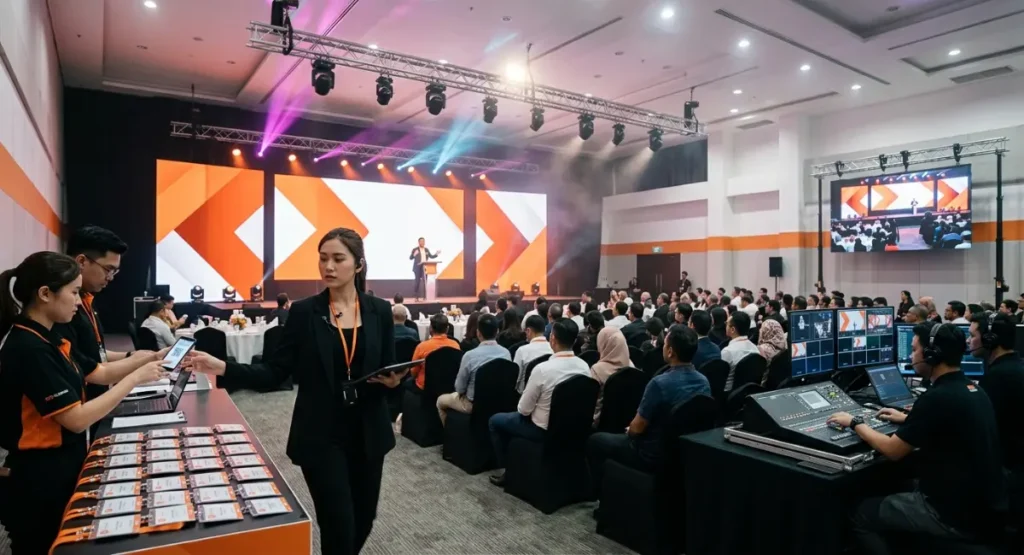
To organize a successful corporate seminar, you must follow a structured 6-step process: define your core strategic theme, establish a transparent logistics budget, design a balanced, fluid agenda, maximize audience interaction, deploy a dedicated on-site coordination team, and execute a post-event evaluation.
By focusing on these core operational phases, businesses can eliminate unexpected overhead costs and maximize their total event return on investment (ROI).
Planning a major corporate event can feel overwhelming. If you are a business leader, HR professional, or corporate marketer tasked with executing a high-stakes corporate event in Kuala Lumpur, collaborating with a professional coordinator in the Klang Valley region is vital because the pressure to deliver flawless execution is immense. The local business environment moves incredibly fast, and local audiences expect smooth, modern, and engaging presentations that reflect the latest corporate gathering dynamics in the region. That is why having a highly structured blueprint is essential to protect your budget and your brand’s reputation.
As a premier event management company in Malaysia, Genio has spent years managing events and mastering the fine details of seamless execution among local corporate production agencies.
In this comprehensive guide, our expert team at Genio shares our proven corporate event planning framework to help you design an impactful corporate seminar that captivates your local audience, incorporates proven strategies for organizing successful functions, and delivers a massive return on investment.
Step 1: Defining Your “Why” and Choosing a Strategic Theme
Before you pick a calendar date, review venue spaces, or sign speaker contracts, you must establish a crystal-clear, foundational purpose for your event. A successful corporate event planning strategy always begins with a single question: What specific change do you want to see in your audience after the seminar?
Every operational choice you make later depends entirely on this core answer. If you cannot clearly state your primary goal, your event risks becoming a collection of disjointed presentations that fail to inspire your team
Once your primary goal is defined, select a strategic theme that connects deeply with your current company values and business objectives. For instance, if your internal focus is driving sales innovation through digital tools, a theme like “Synergy 2026: Navigating Digital Frontiers” provides your event with structure, visual direction, and a clear purpose. A great theme helps your marketing team design cohesive promotional materials and allows your presentation speakers to align their topics smoothly.
At Genio, we specialize in helping corporate clients translate abstract corporate goals into actionable, thematic event structures—fully executing the scope of professional execution services required to keep audiences engaged from start to finish.
Step 2: Logistics & Budgeting: Avoiding Hidden Costs
Effective event logistics planning is the exact stage where many corporate seminars either succeed or run into costly, stressful trouble. Unseen costs like unexpected audio-visual (AV) surcharges, premium venue service fees, or sudden scheduling shifts can quickly damage your company’s budget if they are not managed early.
To prevent financial surprises and maintain absolute cost control, Genio uses a strict, localized budget allocation framework designed specifically for corporate gatherings in major Malaysian business hubs like Kuala Lumpur and Selangor:
| Expense Category | Recommended Budget Allocation | Key Focus Areas |
| Venue & Infrastructure | 40% of the total budget | Space rental, stage setups, room modularity, and lighting rigs |
| Catering Services | 25% of the total budget | Multi-ethnic menus, morning/afternoon coffee breaks, and dietary needs |
| Event Production & AV | 20% of the total budget | High-end LED screens, line-array audio, and reliable venue Wi-Fi |
| Logistics & Transport | 10% of the total budget | Parking subsidies, guest transit, and return logistics coordination |
| Marketing & Support | 5% of the total budget | Event branding, registration kits, physical badges, signage |
During your pre-event logistics planning phase, ensure your chosen location has a robust event logistics infrastructure that meets your specific technical needs. Always review venue contracts carefully for hidden line items, such as mandatory union fees, technical support surcharges, or costly overtime fees for early setup days.
When you choose to partner with Genio, our professional team ensures absolute financial transparency throughout the process, allowing your business to avoid these unexpected operational costs entirely.
Step 3: Designing a High-Impact Agenda (The “Fluid Rhythm” Approach)
An overloaded, exhausting schedule is one of the fastest ways to lose your audience’s attention. Instead of packing your itinerary with back-to-back presentations that tire out your guests, Genio suggests using a specialized “Fluid Rhythm” design model. This planning approach balances intense, highly focused educational sessions with restorative breaks, interactive group activities, and structured networking opportunities.
A successful corporate seminar should map its master timeline around actual human attention spans, which naturally decline after 40 to 45 minutes of continuous listening.
Keep your primary keynote presentations crisp and under 45 minutes. Follow those presentations with interactive, hands-on workshops or specialized corporate problem-solving labs where guests can apply what they just learned.
Most importantly, do not shorten your morning or afternoon coffee breaks to save time. These casual, relaxed periods are often the exact moments where your seminar attendees form their most valuable professional connections and deeply absorb your core business takeaways.
Step 4: Mastering the Participant Experience & Interaction
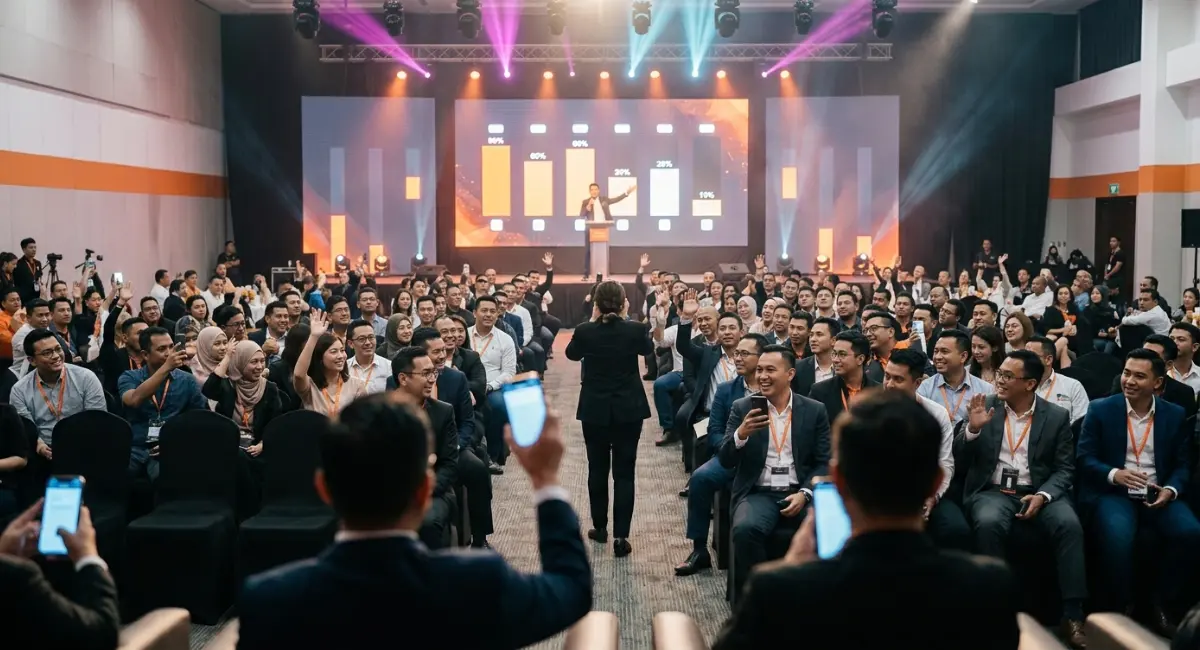
A truly memorable corporate seminar is never a one-way lecture; it must be an active, shared experience. To keep audience energy levels consistently high throughout the day, you must integrate modern interaction tools and crowd management strategies directly into your master plan.
For local, in-person crowds in Kuala Lumpur, you can easily use live digital Q&A platforms, real-time polling apps, and dedicated gamification zones to drive engagement and involve attendees in the conversation.
If you are coordinating a blended conference format featuring virtual attendees, your off-site participants must be treated as active attendees rather than passive television viewers.
Genio achieves this balanced experience by setting up remote-only digital breakout rooms, utilizing dedicated virtual event moderators to monitor online chat feeds, and deploying high-definition multi-camera event production networks. This ensures your online attendees never miss a single moment or key visual on the main stage.
Step 5: Behind-the-Scenes: The On-Site Coordination Team
When the actual event day finally arrives, your initial planning phases step aside, and your real-time event operations take center stage.
This critical operational phase requires a highly coordinated, well-trained on-site coordination team managing clear, distinct responsibilities across the venue floor:
- The Welcome & Registration Team: Manages rapid guest check-ins, quickly scans custom registration QR codes, and hands out physical name badges to create a seamless, professional first impression.
- The AV & Technical Production Team: Actively monitors wireless microphone frequencies, manages complex stage lighting cues, and constantly keeps an eye on dedicated internet bandwidth for streaming elements.
- The Speaker Support Unit: Handles smooth on-stage transitions, tests presentation remote clickers beforehand, and keeps presenters completely comfortable and strictly on schedule.
Having an experienced external team like Genio overseeing your live on-site coordination allows your internal corporate team to focus entirely on greeting your guests, building professional relationships, and engaging with key stakeholders, safe in the knowledge that every background detail is being managed flawlessly.
Step 6: Post-Seminar Evaluation and Maintaining Momentum
A professional corporate seminar does not simply end when the final presenter leaves the stage and the lights go down. To truly understand your event’s overall business impact, you must evaluate its long-term results and manage your closing logistics effectively.
Start by collecting immediate quantitative and qualitative feedback through digital post-event surveys while the experience is still completely fresh in your guests’ minds.
Next, work closely with your operations team to manage the return logistics phase, ensuring all rented technical equipment, banners, and leftover corporate materials are packed, inventoried, and processed safely—which also supports eco-friendly waste reduction practices and avoids unexpected damage fees.
Finally, keep your organizational momentum going by distributing professional summary videos, key data takeaways, or follow-up action items to all attendees within 48 hours.
This guarantees your core corporate messages continue to resonate across your organization long after the physical event wraps up.
Elevate Your Next Corporate Seminar with Genio
Organizing a truly impactful corporate seminar requires absolute operational precision, deep local industry experience, and a meticulous eye for detail—making it crucial to follow the right steps when selecting an experienced local execution partner.
Do not leave your organization’s next major professional event to chance.
Get in touch with Genio today to see how our experienced corporate event management team can make your next seminar smooth, stress-free, and highly successful. Let us handle the complex logistics while you focus on inspiring your team!
Frequently Asked Questions
How far in advance should I start planning a corporate seminar?
You should begin your pre-event logistics planning 3 to 5 months in advance to secure premium venues in Kuala Lumpur, lock in high-demand keynote speakers, and develop a stress-free master timeline.
What are the most important technical requirements for a training seminar?
The essential requirements include high-speed, dedicated-venue Wi-Fi, premium wireless microphones, crystal-clear LED display backdrops, and seamless multi-camera hybrid streaming systems.
How do I choose between a half-day and a multi-day seminar format?
Choose a half-day format for highly focused product briefings or short operational updates—which is common for highly regulated medical and clinical seminars. Choose a multi-day format for deep team-building, comprehensive multi-department training, or strategic executive alignment.
What are the best ways to keep remote participants engaged in a hybrid seminar?
Use live interactive digital polling, build dedicated virtual breakout spaces, and assign a specific online moderator to handle remote questions in real time.
What criteria should I use to select the right speakers for our company values?
Select speakers who combine proven industry expertise with an engaging style, and ensure their professional history aligns naturally with your organization’s internal culture.
How can I calculate the ROI or success of my corporate seminar?
Track clear quantitative metrics such as post-event survey scores, attendee check-in rates, digital engagement data, and long-term post-seminar workplace performance metrics.